Plots in Tarragona - buy, sell or rent easily

Find plots by category in Tarragona (Province)


Plots for sale with most wanted features
- Urban 44
- Developable 29
- Non developable 36


Latest publications of land and houses for sale in Tarragona (Province)

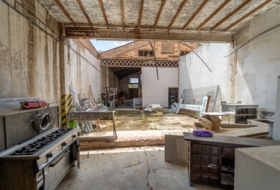
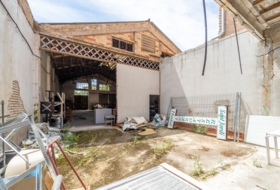
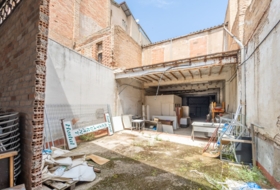
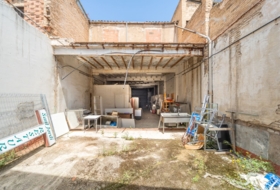
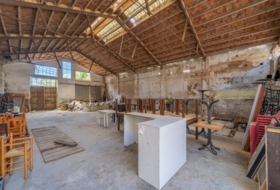
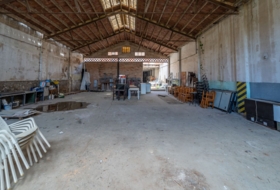
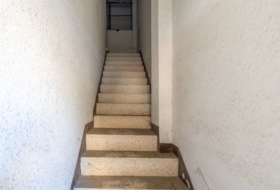
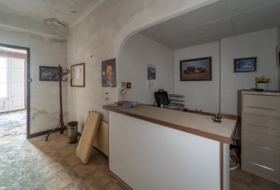
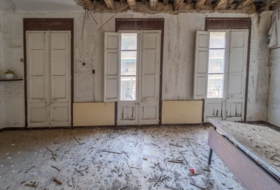
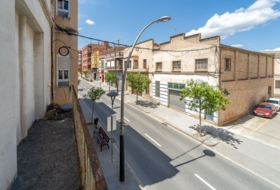
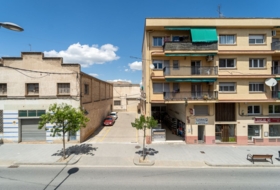
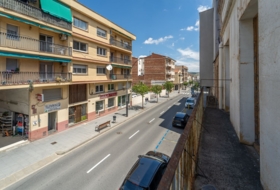
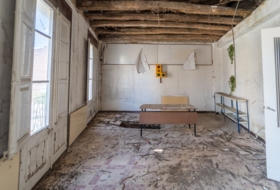
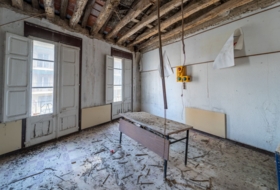
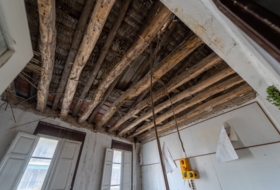
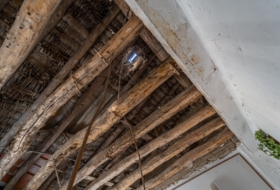


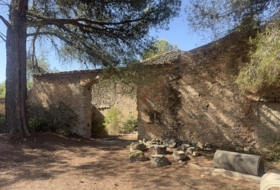
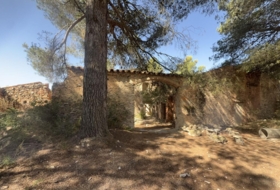
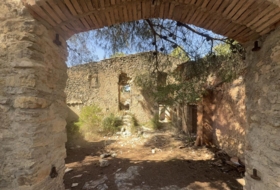
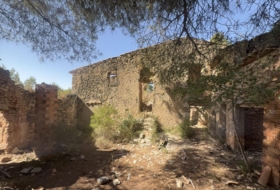
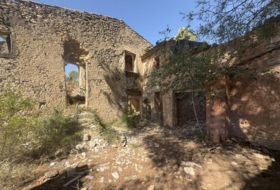
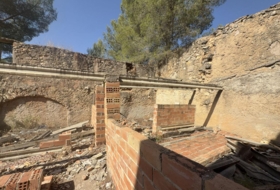
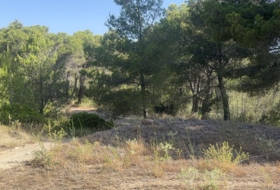
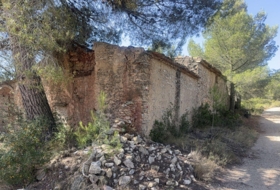
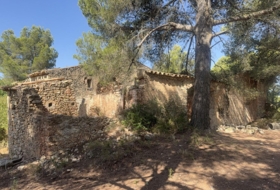
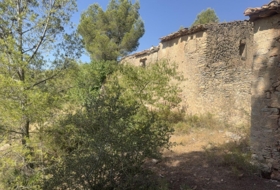
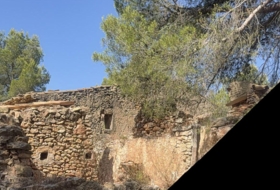
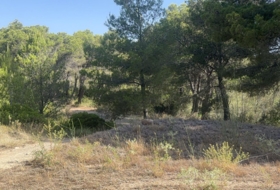
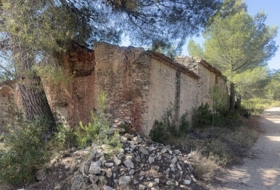
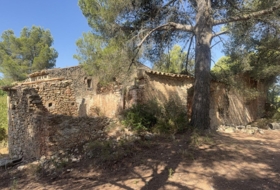
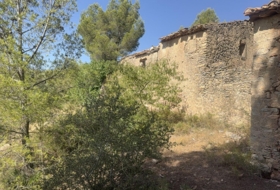

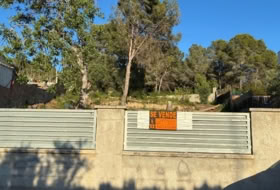


 +4
+4
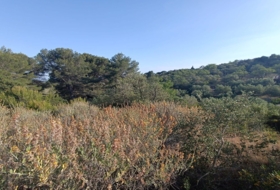
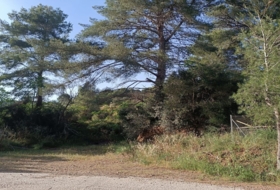
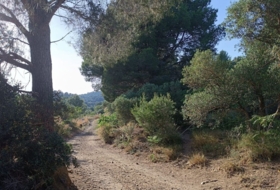
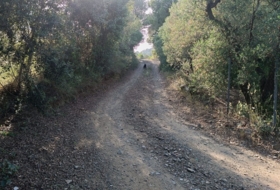


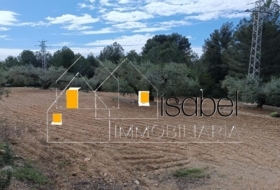
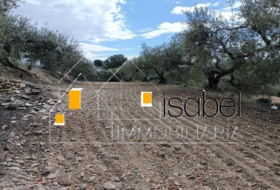
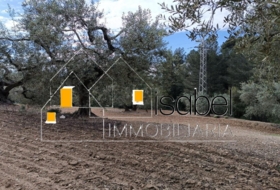
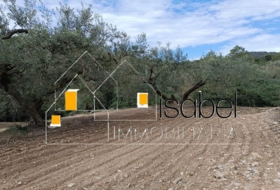
 +1
+1
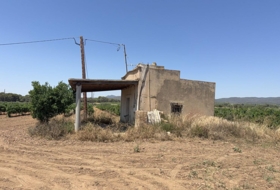
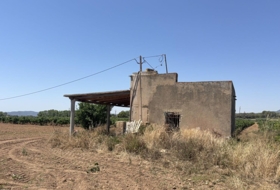
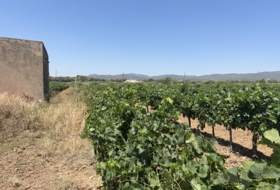
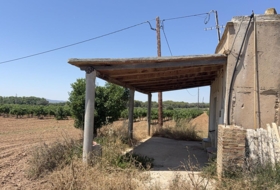
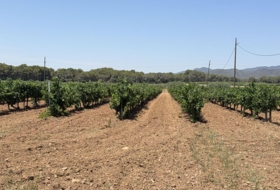
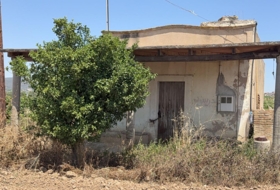
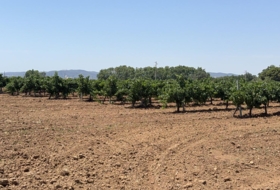
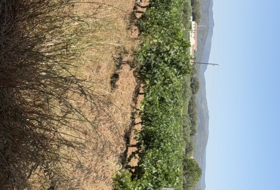
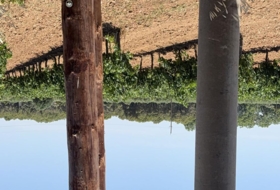
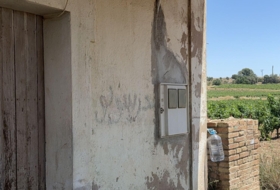
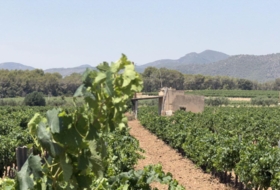
 +1
+1
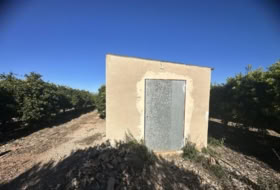
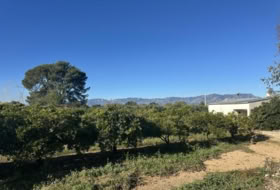
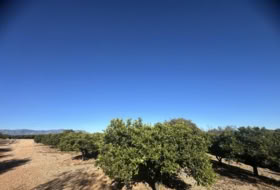

Where to buy land in Tarragona
The cheapest land in the province of Tarragona is in the municipalities of Batea with a minimum price of €0.40/m², Xerta with €0.50/m² and Siurana with €0.90/m². These locations have such a low value because the greatest demand for land occurs in the coastal area, where the population density is higher. In addition, due to the great availability of rustic properties in these territories.
The average price of urban land in the province of Tarragona is one of the cheapest in Catalonia (more than €100/m²). The places with the cheapest urban land are Maspujols, Sant Carles de la Ràpita, Vallmoll and Reus. Meanwhile, the plots with a higher value are located near the coast, in Cambrils, Tarragona, Vilanova de Prades and Reus, which also have cheap properties. In these municipalities, the average value is €100/m² - €500/m². The scenario of urbanizable plots is like the urban area, where the towns of Reus, Tarragona and Cambrils should be highlighted, due to extension, demand and population.
An economy based on services and industry
The province of Tarragona is in the south of Catalonia and has a population of 804,664 inhabitants. Its Mediterranean climate attracts tourists from all over the world and its power industry supports the region's economy.
The service sector is the most important, followed by industry, construction, and agriculture.
The secondary (with the petrochemical industry in the lead) and tertiary are fundamental pillars for the development of the province. The latter (which contributes 60% of GDP) is the one that generates the most employment, highlighting tourism (which gives rise to 20% of the territory's GDP) and logistics, concentrated in the Port of the capital.
The Tarragona counties have less weight in the services sector if we compare them with the rest of Catalonia. Despite this, the hotel industry takes the lead in the whole territory due to tourism, both sun and beach on the Costa Dorada; as well as inland, where the Priorat region has evolved positively in recent years, managing to attract many visitors due to the beauty of its landscapes and the quality of its wines.
Companies with a smaller number of workers are common in the service sector, while the largest are usually industrial.
More and more companies are betting on internationalization and export as a strategy, which allows them to break into new markets and continue to grow.
A powerful and diversified industry
Industrial activity generates close to 30% of GVA, standing above the Catalan average. Its weight is relatively higher (it contributes 21% of GDP) than in the Catalan Community and the rest of the country.
The sectors that generate the most employment are the petrochemical (it accumulates more than half of the province's exports), food and metallurgical, strongholds of the Tarragona industry.
Other activities that are developed are extractive (energy, water and waste) and food, as well as textiles, wood, graphic arts, chemistry and rubber. This diversification of the productive fabric has given rise to the creation of companies related to the repair, maintenance and installation of machinery, energy and water.
Energy production stands out in Ribera d'Ebre and Terra Alta, while in Conca de Barberà and Alt Camp the industry is very diverse. On the other hand, in Tarragonès chemistry is the predominant activity. On the other hand, in Terra Alta and Priorat, the agri-food sector stands out.
A sustainable agricultural and forestry sector
The primary sector has a higher percentage of weight than the rest of Catalonia, in which the counties of Montsià, Baix Ebre and Terra Alta stand out.
The province, in general, enjoys a Mediterranean climate, with mild winters and hot summers. While in the interior it suffers a slight influence from the continental climate. The average annual temperature ranges between 14°C and 20°C. These characteristics and relief make it an ideal place to carry out quality agricultural production.
Both rainfed and irrigated crops are grown, although the former predominate.
Tarragona's agricultural production stands out for cereals (more than 195,724 tons), vineyards (more than 175,000 tons), citrus fruits (more than 142,000 tons), olive trees (more than 122,000 tons) and vegetables (more than 90,000 tons)., among these, the star is the calçot (a kind of tender spring onion). Also noteworthy is the cultivation of hazelnuts and rice (in the Delta).
Organic farming is a trend in Tarragona, and it does not stop growing. To support it, some actions have been carried out, including aid for production research. It is the vineyards that top the list, as the production of organic wines has become increased in recent years.
The type of heterogeneous soil (calcareous, light and stony) and the climate have determined the quality of the wines from Camp de Tarragona (Alt Camp, Baix Camp and Tarragonès) and Ribera d'Ebre. To which are added those of Priorat, considered one of the best in the world.
The forest area of Tarragona occupies around 289,000 hectares, the smallest in all of Catalonia. It is the only demarcation in which there are more bushes than forests. Even so, the abandonment of many farmlands has meant that the wooded area has increased by more than 140% in recent decades; although it is the most abundant cultivated area, especially in the counties of Terres de l'Ebre and Camp de Tarragona.
Regarding the livestock units, the poultry sector stands out (more than 160,000) and the pig sector (more than 144,000).